Hi Friends,
Tricycle Day is my favorite newsletter. It was the first piece of content I subscribed to when I started learning about psychedelics. Long before I ever met its author, Henry, I felt like I knew him through his writing. His clarity, his analysis, his humor, and his ability to bring lightness and humanity to a space that can easily become heavy or dogmatic.
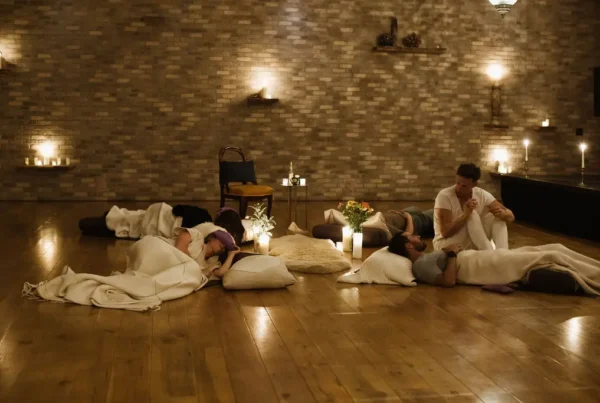
When Henry and I finally met in person, it became immediately clear how aligned our missions were. (The fact that this happened in a journey space only accelerated that understanding.)
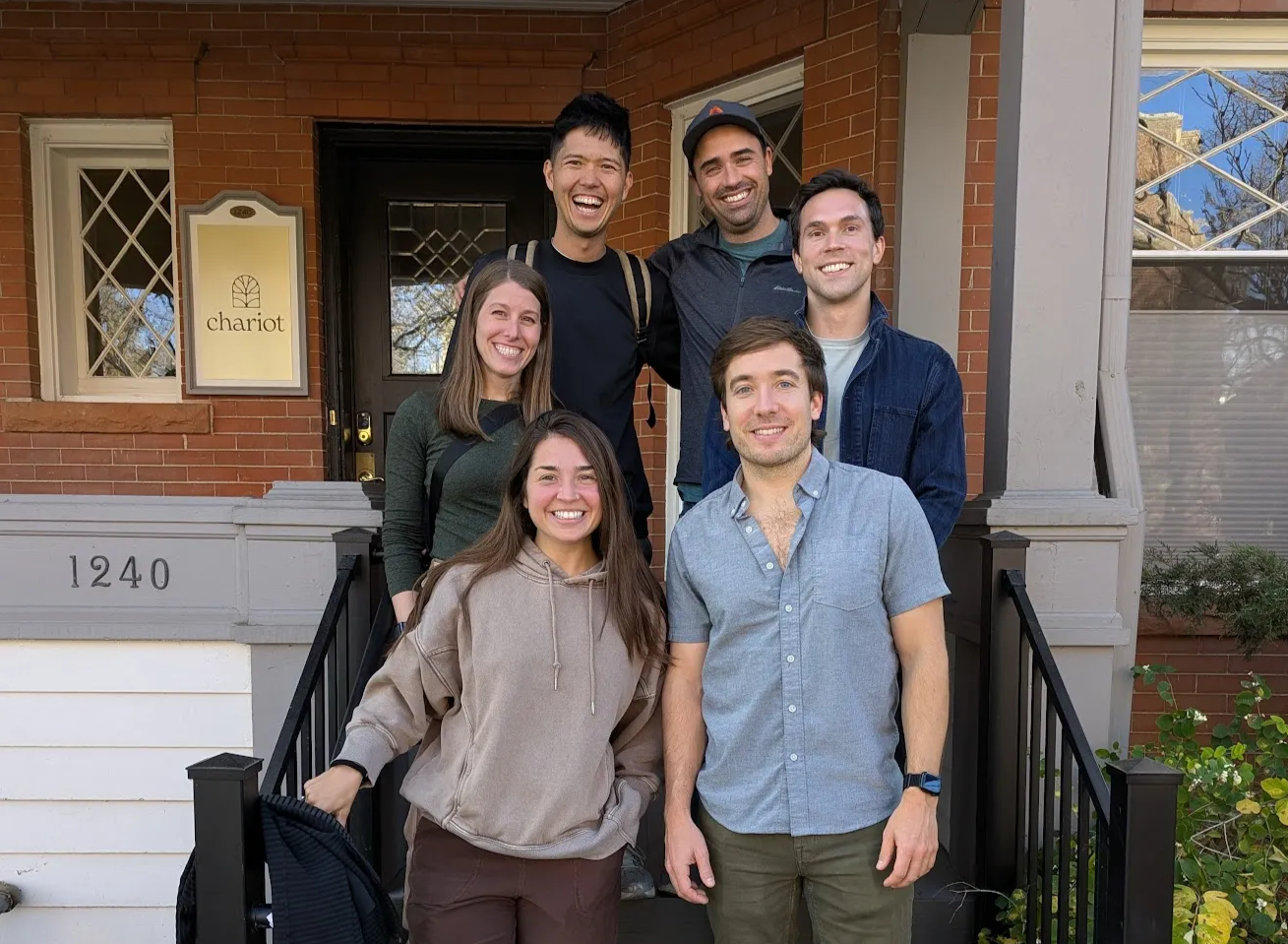
On the Althea side, we started this company to help people responsibly find their way to psychedelics. My co-founders, Sara, Andrew, TC, and I have had life-changing experiences with these medicines. As new legal and regulatory pathways emerged, we saw an opportunity to help bring these medicines above ground in a way that could reach many more people. These newly licensed practitioners needed infrastructure to operate safely, ethically, and sustainably. That’s the software platform that Althea became.
Meanwhile, Henry came at the same problem from the other side of the market. Tricycle Day has always been about educating people who are curious about psychedelics. The massively popular newsletter helps people understand what these medicines are, when they might be appropriate, and how to approach them thoughtfully and responsibly.
Supply and demand. Two sides of the same coin.
Access to Psychedelics are Continuing to Grow
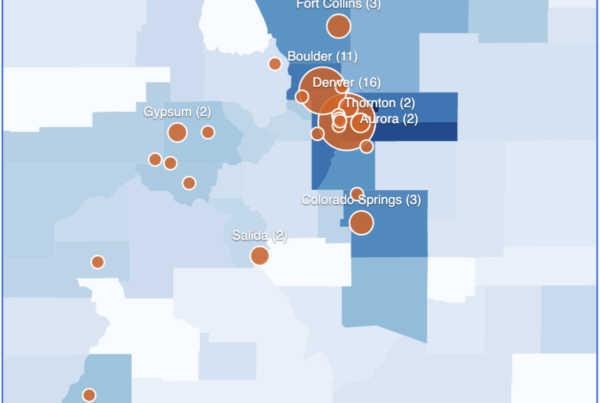
What we’re seeing in Colorado and Oregon today is the beginning. New Mexico is expected next year and more than a dozen other states have pending legislation. At the federal level, broader policy signals are shifting as well. The recent rescheduling of cannabis is a long-awaited win, showing that policy can evolve even in this political environment, and psychedelics like psilocybin are increasingly part of that conversation.
In parallel, multiple psychedelic-inspired medicines are moving through late-stage clinical trials with the FDA, bringing us closer to a future where these therapies may become part of mainstream medical care. Whether access expands through state programs, FDA approvals, or other federal pathways, the direction is clear. More people will be looking for safe, trustworthy, and legal ways to engage with these healing modalities.
The Psychedelic Industrial Complex
The word “business” can feel uncomfortable in the psychedelic space. Even calling this an industry can raise eyebrows. That discomfort is understandable. Many people are drawn to this work precisely because it points beyond extraction, competition, and transactional ways of relating.
So what we often see are solo practitioners doing deeply meaningful work, often in isolation, trying to avoid the harms they associate with traditional market dynamics, while struggling to make ends meet.
Yet at the same time, one of the core lessons psychedelics teach us is that we are not separate. We are interconnected. If we want this work to be accessible, ethical, and enduring, it requires coordination, shared standards, and ways of supporting one another over the long term.
Rather than avoiding industry, we can choose how we participate in it. We can decide whether we remain fragmented, or whether we build structures that allow many different approaches to coexist, learn from one another, and thrive together, in service of the medicine. That belief sits at the heart of this decision.
We are living through a moment of profound disruption. Political unrest. Climate anxiety. Loneliness. Disconnection. A world where artificial intelligence is rapidly reshaping how people find information and meaning.
Psychedelics offer something fundamentally different. They invite awe. Connection. A felt sense of belonging to something larger than ourselves. This illustrates why psychedelics are deeply relevant right now. The question is how someone actually finds their way to these modalities responsibly.
From Awareness to Healing
People are talking about psychedelics. In major media. In cultural conversations. Over steaming cups at coffee shops. But the path from curiosity to care is often fragmented and confusing.
People arrive with very different needs. Trauma. Depression. Grief. Spiritual exploration. Creativity. Veterans returning from service. Parents trying to reconnect with themselves. These are not one-size-fits-all journeys, and they should not be navigated by guesswork, AI chatbots, or hushed word of mouth alone.
State-regulated programs, like those in Colorado and Oregon, represent one important pathway today. They provide clear standards, trained practitioners, and accountability, which can be especially helpful for people who are new to this work or looking for choice, structure, and safety. That is the ecosystem Althea exists to support, while honoring that people may find meaning and healing through many different paths.
By bringing Tricycle Day and Althea together, we’re creating a more coherent and trustworthy bridge between education, readiness, and care.
What will not change is the heart of Tricycle Day. The voice. The art. The independence of thought. Henry’s writing remains his own, and the newsletter will continue to be what readers love.
What will change is what becomes possible.
Together, we can help turn what has historically lived underground into something more accessible, accountable, and connected. We can consumers with licensed practitioners who are doing this work with care. We can support the people holding these spaces. And we can help this field grow in a way that reflects the values that brought so many of us here in the first place.
I’m deeply grateful for your trust and support. We’re going to keep working toward responsible access, now with a much larger megaphone. And I’m thrilled to personally welcome Henry Winslow to the Althea team.
Over the coming weeks we will share more about how this merger could benefit you. More soon.
With gratitude,
Niko & the Althea team