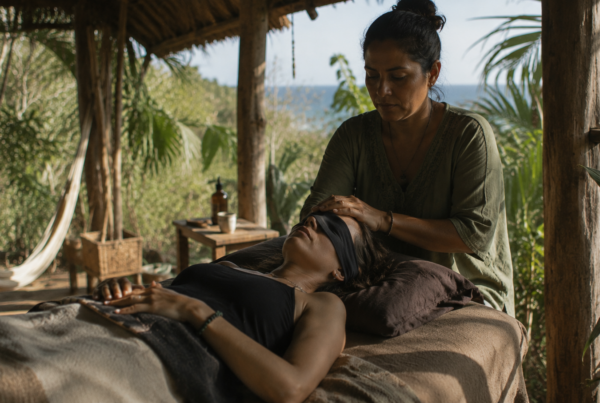
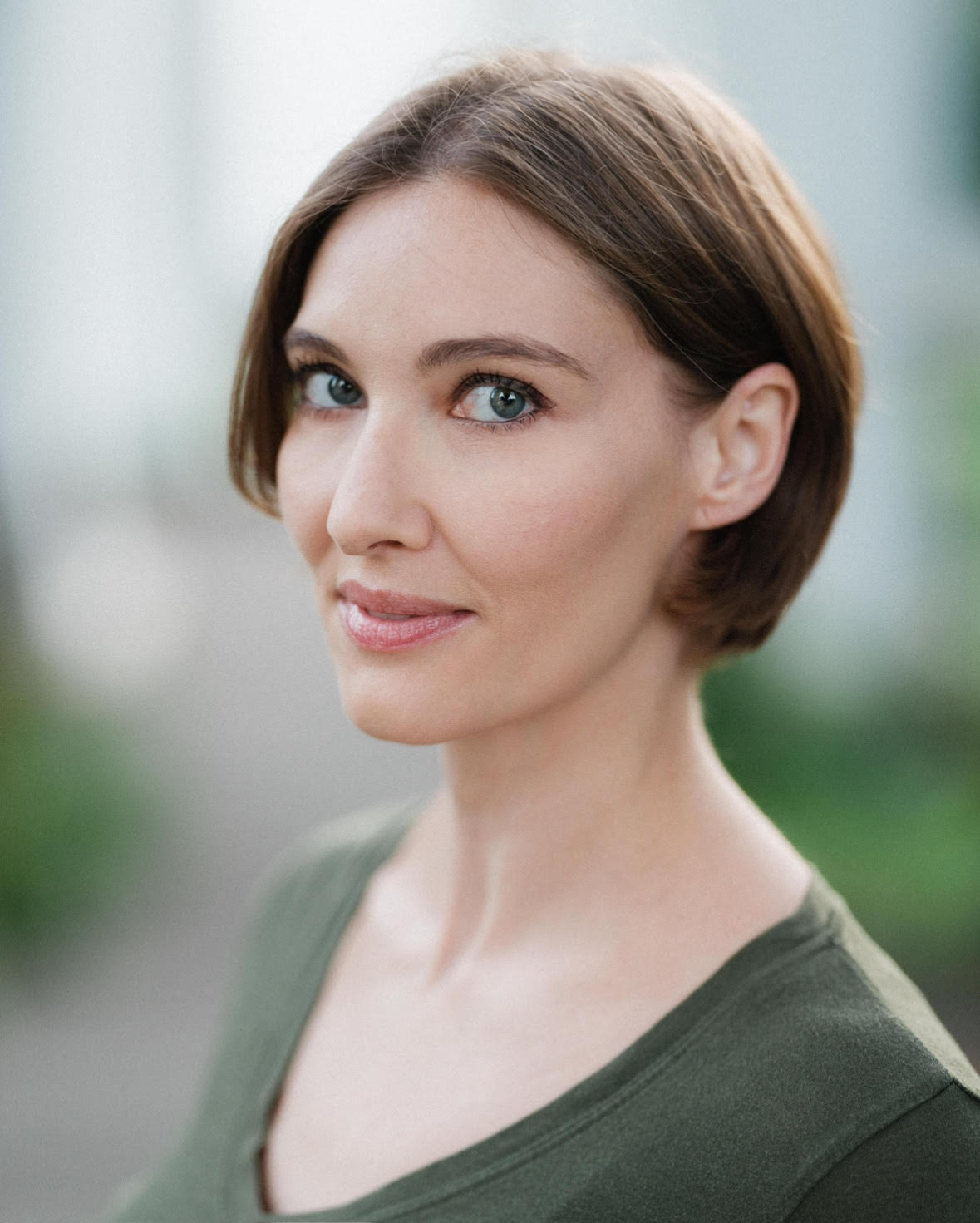
Evelyn Cushing
Well-Being Improvement Award
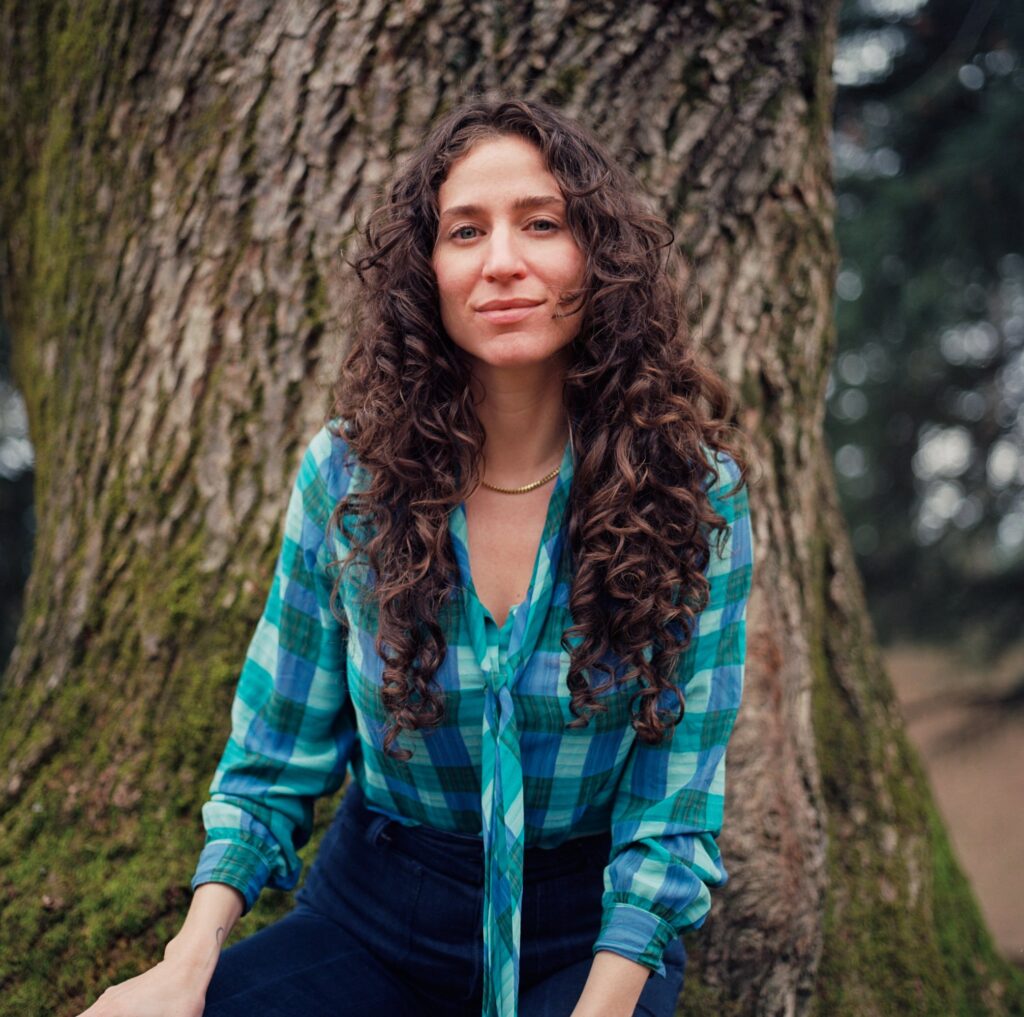
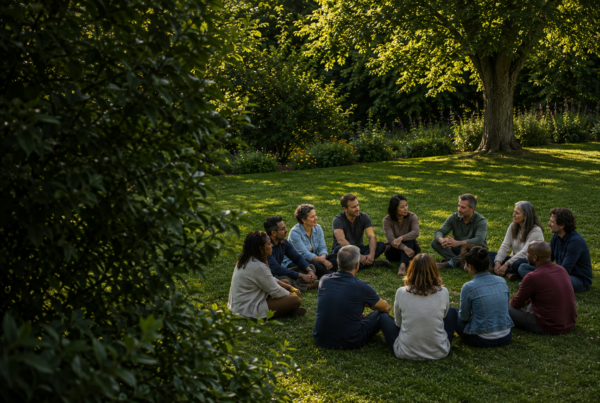
Kayli Howard
Client Choice Award
Answers from two award-winning facilitators
This weekend I got the chance to moderate a panel of facilitators at PATA’s collaborence conference in Portland, Oregon. It was great to speak with a couple of truly phenomenal facilitators with such an engaged audience. Our panelists were Evelyn Cushing and Kayli Howard. We covered the importance of preparation, the nuanced challenges of working with clients on medications like SSRIs, and even the subtle differences between mushroom strains.
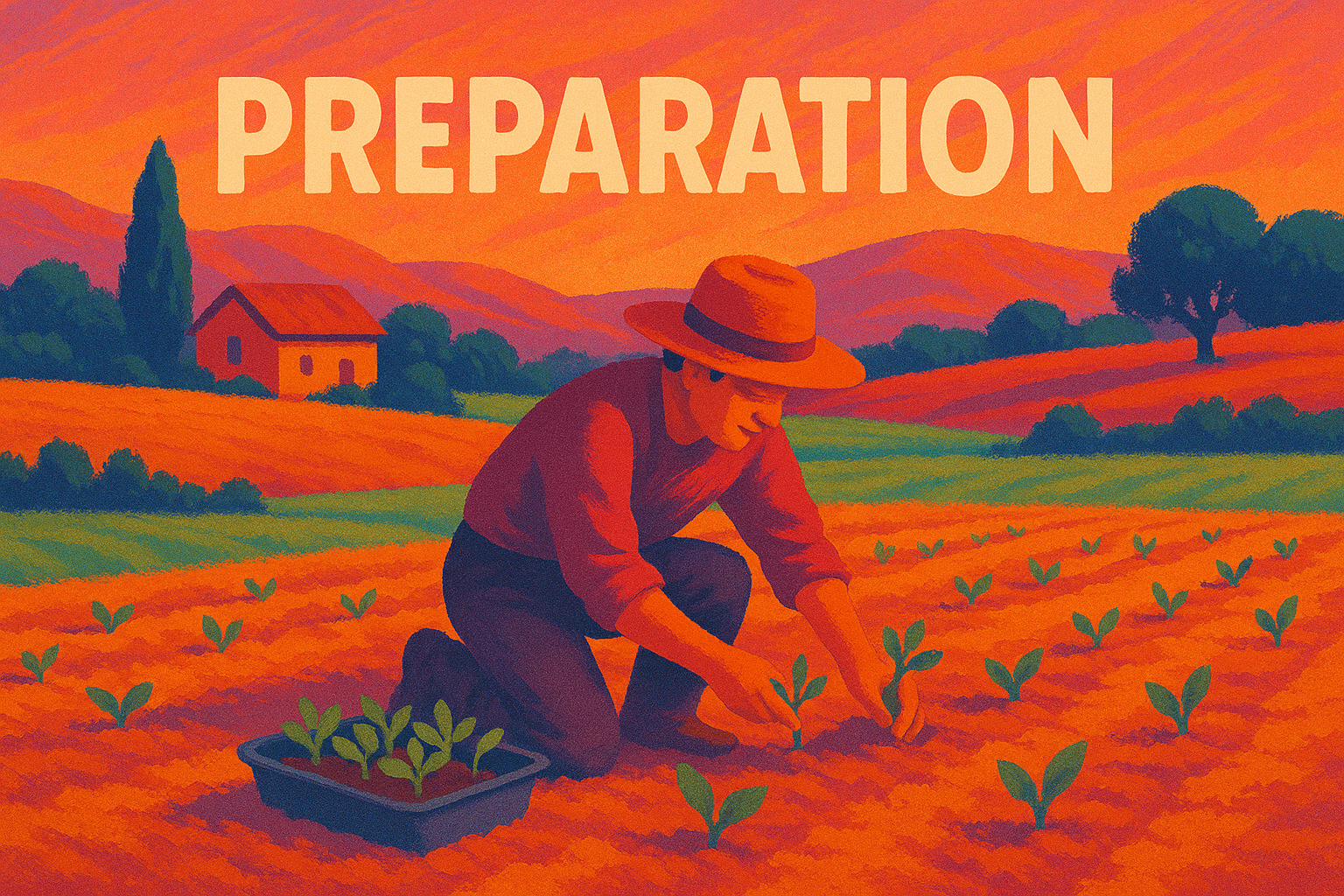
The Power of Preparation: Safety, Trust, and Human Connection
The journey begins long before the first dose. The process of filling out intake forms is more than just paperwork; it’s an invitation for introspection. It allows clients to take stock of their current situation, giving the facilitators a great sense of where they are and where they need to be prior to a journey.
For many clients, especially those with trauma histories, the structure and regulations around legal psychedelic work provide a sense of safety and legitimacy. But paperwork is just the start. Building trust and rapport is essential, especially when clients are entering vulnerable states. Our panel emphasized the importance of validation, humanization, and normalization. “Being an empathetic witness to someone else’s situation is something that a lot of people have literally never had,” Evelyn noted. This core of empathy and presence helps clients feel seen and supported.
Humor and authenticity also play a role. “Mushrooms are really deep, but I also like to give some of the lightness too, and bring my personality into the space,” said Kayli. By sharing jokes and personal stories, facilitators help clients relax and see them as fellow humans, not just authority figures.
”Being an empathetic witness to someone else’s situation is something that a lot of people have literally never had.
Integration: Turning Preparation into Growth
Preparation and integration are two sides of the same coin. Our facilitators described how the tools and mindsets cultivated before the journey become invaluable during integration. “I really work from a mindfulness-based approach, and so I’m trying to cultivate [that] practice in the preparation so that they’ll have that in the integration,” explained Kayli. Discussing potential challenges ahead of time also helps. “When I talk about the challenges that come up, I try to put a spin on it—if this challenge comes up, it gives you a particular type of information,” said Evelyn. By reframing difficulties as opportunities for growth, facilitators help clients embrace the full spectrum of their experiences. As Kayli put it, “Oftentimes the best growth comes from the difficult experience. Sometimes it needs to burn down so it can grow again.”
Navigating Medications: SSRIs, Benzos, and Dosage Adjustments
We also covered working with clients who are taking medications, particularly SSRIs and benzodiazepines. Contrary to some assumptions, SSRIs are not a red flag for participation. “I work with plenty of people on SSRIs. It’s not a problem at all—we can work around them,” Kayli shared. The main adjustment is often dosage: clients on SSRIs may require higher doses of mushrooms to achieve the desired effect. Benzodiazepines, however, present more of a challenge. “If you’re still taking your Xanax, you might not have a journey,” one facilitator cautioned, recounting experiences where clients had completely blunted or very mild effects due to these medications. In such cases, facilitators may refer clients to medical professionals for further consultation.
”Sometimes it needs to burn down so it can grow again.
Mushroom Strains: Potency, Personalization, and Industry Trends
The panelists also delved into the world of mushroom strains, discussing how different varieties can influence the experience. Some strains, like Louis Vuitton and Shakti, are favored for their potential to induce spiritual or religious experiences, while others, such as B+ and True Albino Teacher, are seen as helpful for unwinding depression and anxiety. Interestingly, when working with clients on SSRIs, facilitators sometimes opt for lower potency strains, allowing for higher gram dosages and potentially more effective breakthroughs. “With low potency strains, we can give them more, but it’s technically the same [amount of psilocybin],” one explained. The industry is still gathering data on how different alkaloids and mushroom matter interact with various medications, and ongoing collaboration with labs and growers is helping to refine best practices.
Action Items and Industry Evolution
The panel concluded with a focus on continuous improvement and data collection. Action items included exploring the use of lower potency mushroom strains for clients on SSRIs, collecting more data on the relationship between strains, potency, and medication effects, and following up with labs to test for additional alkaloids beyond psilocybin.
A Human-Centered, Evolving Practice
Throughout the discussion, one theme stood out: the importance of meeting clients where they are, with empathy, flexibility, and a commitment to ongoing learning. Whether it’s validating a client’s experience, adjusting protocols for medications, or simply bringing a sense of joy and lightness to the process, these facilitators are blending science, art, and most importantly, heart, in service of healing.
I am text block. Click edit button to change this text. Lorem ipsum dolor sit amet, consectetur adipiscing elit. Ut elit tellus, luctus nec ullamcorper mattis, pulvinar dapibus leo.