We asked over 3,200 people considering a psychedelic experience how prepared they felt, using the Psychedelic Preparedness Scale, a validated 20-item measure developed by researchers at University College London. One pattern showed up immediately, and has remained consistent in a year and a half of data.
People are ready for the experience itself. They are not ready for what comes after.
What people are ready for, and what they aren’t
Ask people whether they understand the experience could be unpredictable, might surface old emotions, might range from bliss to something much harder: nearly everyone says yes. 85% rate themselves highly prepared on knowing the experience will be unpredictable. 83% say the same about understanding it might evoke intense emotion. This is the part of preparation people already do well, largely on their own, through reading, research, and conversation.
Ask the same people about what happens in the hours, days, and weeks afterward, and the picture flips.
- 60% have not spoken with a therapist or counselor as part of their preparation.
- 36% haven’t made a plan for what they’ll do in the hours and days after their experience.
- 33% don’t have a strategy in place for if things get difficult.
- 42% don’t yet feel a trusting connection with the people who’ll be around them.
On a 7-point scale, people score an average of 6.1 on knowing what to expect. They score 3.6 on the people and plans around them. That’s not a small gap. It’s the difference between being ready to go somewhere and having any plan for how you’ll get home.
This isn’t a one-time reading. We’ve tracked it across seven quarters. It hasn’t closed as more people have engaged with this work. If anything, it’s one of the more stable findings in the dataset.
Why this is the part that gets skipped
Preparation content, understandably, tends to focus on the experience itself: what psilocybin feels like, what to expect from a session, how to sit with intensity. But the research behind the PPS scale found that preparedness measured before an experience predicted how people were doing weeks after it, including changes in depression, anxiety, and stress. Support and planning weren’t a footnote in that finding. They were one of the four core pillars, alongside knowledge, intention, and psychophysical readiness.
Put simply: the work doesn’t end when the session does. What happens in the weeks after may matter as much as what happens during.
What we’re doing about it
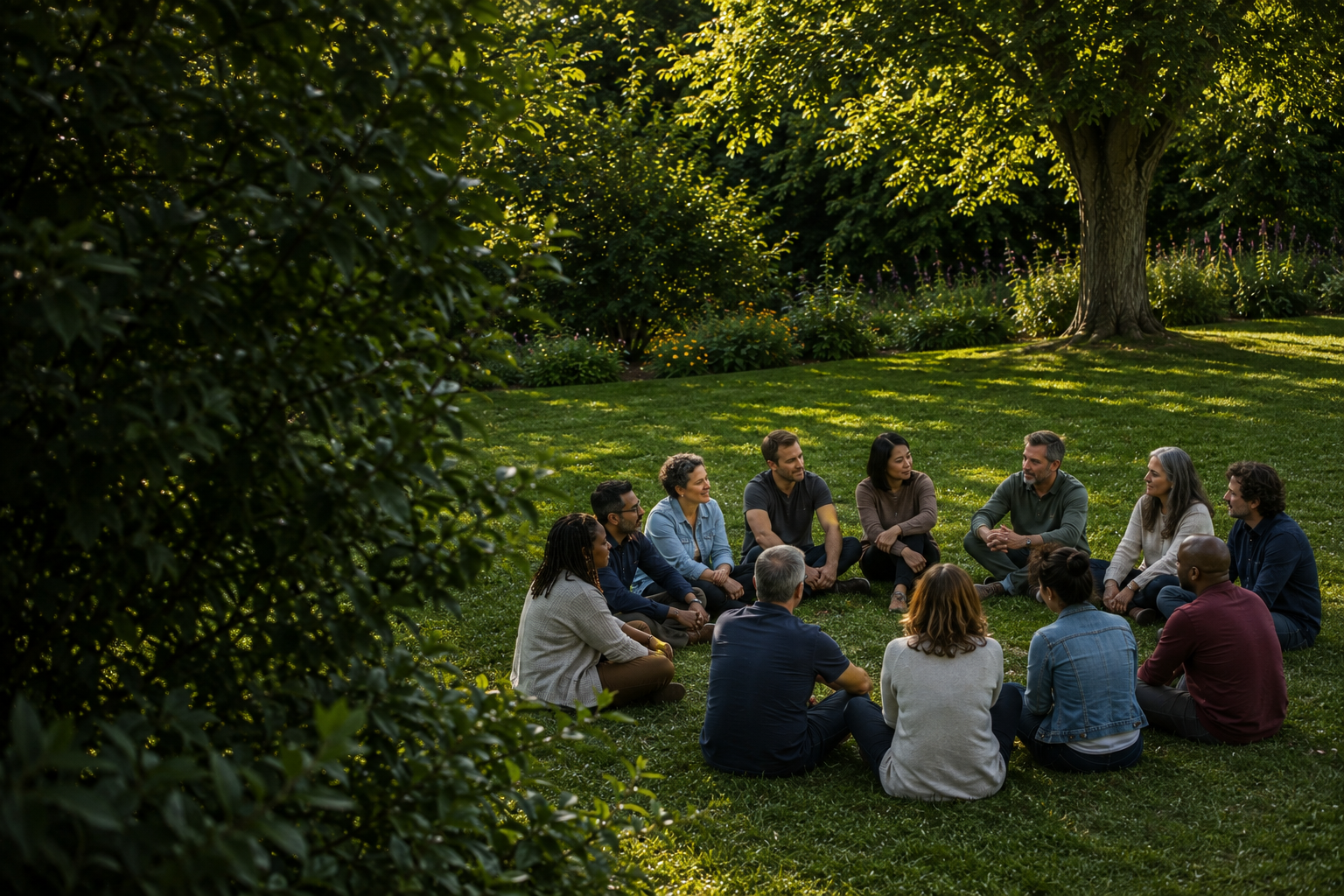
We’re launching a free monthly Integration Circle: a 90-minute group session for anyone processing a psychedelic experience.
It’s not therapy, and it’s not a substitute for individual support if you need it. It’s a space to sit with what came up, hear how others are making sense of their own experiences, and leave with something concrete instead of facing the integration period alone.