The New York Times ran a piece on August 26th detailing the risks Americans face when they travel abroad for psychedelic treatment — undisclosed dosing, unscreened medical histories, drug combinations pushed without oversight, and, in the worst cases, sexual assault and death. It’s a hard read but important for those considering using psychedelics. It’s easy to walk away from an article like that with the takeaway: “psychedelics are dangerous.”
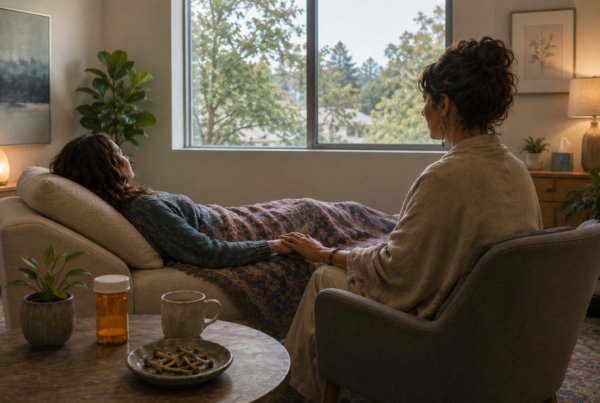
That’s not quite what the article shows. What it shows is that a specific setting — unregulated, unlicensed, often unsupervised clinics operating outside any medical or legal framework — produces a specific risk profile. And when you put that risk profile next to the data coming out of Oregon and Colorado’s state-regulated psilocybin programs, the contrast is stark. Same class of medicines, wildly different outcomes, because the container around the experience is completely different.
What “regulated” actually means
It’s worth being concrete about what separates a licensed service center in Oregon or Colorado from the clinics described in the Times piece. Oregon’s psilocybin program, for instance, requires:
- Licensed facilitators who complete state-mandated training
- At least one preparation session before dosing
- Directly observed administration, no take-home doses, ever
- Products tested by licensed labs for potency and contaminants, tracked from manufacture to dispensation
- A hard dose ceiling of 50 mg per session
- Exclusion of clients with active suicidal ideation, psychosis, or recent lithium use
None of that exists at the ibogaine clinics in Cancún or the ayahuasca retreats in Peru that the Times profiled. Less than half of the facilities in a recent JAMA survey of 49 psychedelic retreats and clinics even employed a medical professional. That’s the gap the numbers below are measuring.
What the safety data show, in the regulated setting
Two independent datasets now speak to this directly.
The first is the OPEN cohort study out of OHSU, tracking 346 clients across 24 of Oregon’s licensed service centers. The safety picture:
- 1.2% of participants had a serious adverse behavioral reaction requiring medical attention — all four were psychedelic-naive, and three of the four still described the experience as highly meaningful despite the difficulty.
- There were zero serious medical adverse reactions, and zero reports of unwanted physical contact from facilitators.
- On the outcomes side, moderate-to-severe depression symptoms dropped from 42% of participants at baseline to 16.5% at three months; anxiety fell from 45% to 13%; PTSD symptoms fell from 48% to 17%.
The second, larger dataset is one we ran ourselves: a retrospective study of 2,363 clients across Oregon and Colorado’s regulated service centers, done in partnership with the University of Colorado Anschutz School of Medicine. Two-thirds of participants came in with a preexisting mental health condition. The directional findings echo OPEN: roughly 49% improvement in PHQ-9 depression scores and 51% improvement in GAD-7 anxiety scores at two weeks post-dosing. On safety, there were 94 mild adverse events and five more serious ones not clearly tied to treatment out of 2,363 people. That’s a low rate, but not a zero rate, and importantly the study also flagged early signal of possible increased suicidality risk in a subset of participants, which the authors are explicit needs more robust monitoring to understand. We think that caveat matters as much as the topline numbers — the honest version of this story isn’t “risk-free,” it’s “low risk, with specific things worth watching closely.”
Comparing to Unregulated Retreats Abroad
Put side by side, the pattern is hard to miss:
Unregulated retreats abroad (per the Times reporting): no consistent medical screening, medications and drug combinations dispensed without regard to history, podcast interviews conducted on people mid-crisis, a fatal heart attack after ibogaine, a death during detox, a death from ayahuasca-related organ failure, and multiple reported sexual assaults — with little to no legal recourse for victims once they’re in another country.
Regulated state programs: dose caps, product testing, mandatory preparation and observed administration, exclusion criteria for high-risk clients, and outcome data collected systematically enough to know, with real numbers, that serious adverse events sit around 1–2% and are concentrated in identifiable risk factors (psychedelic-naive, preexisting conditions, higher doses).
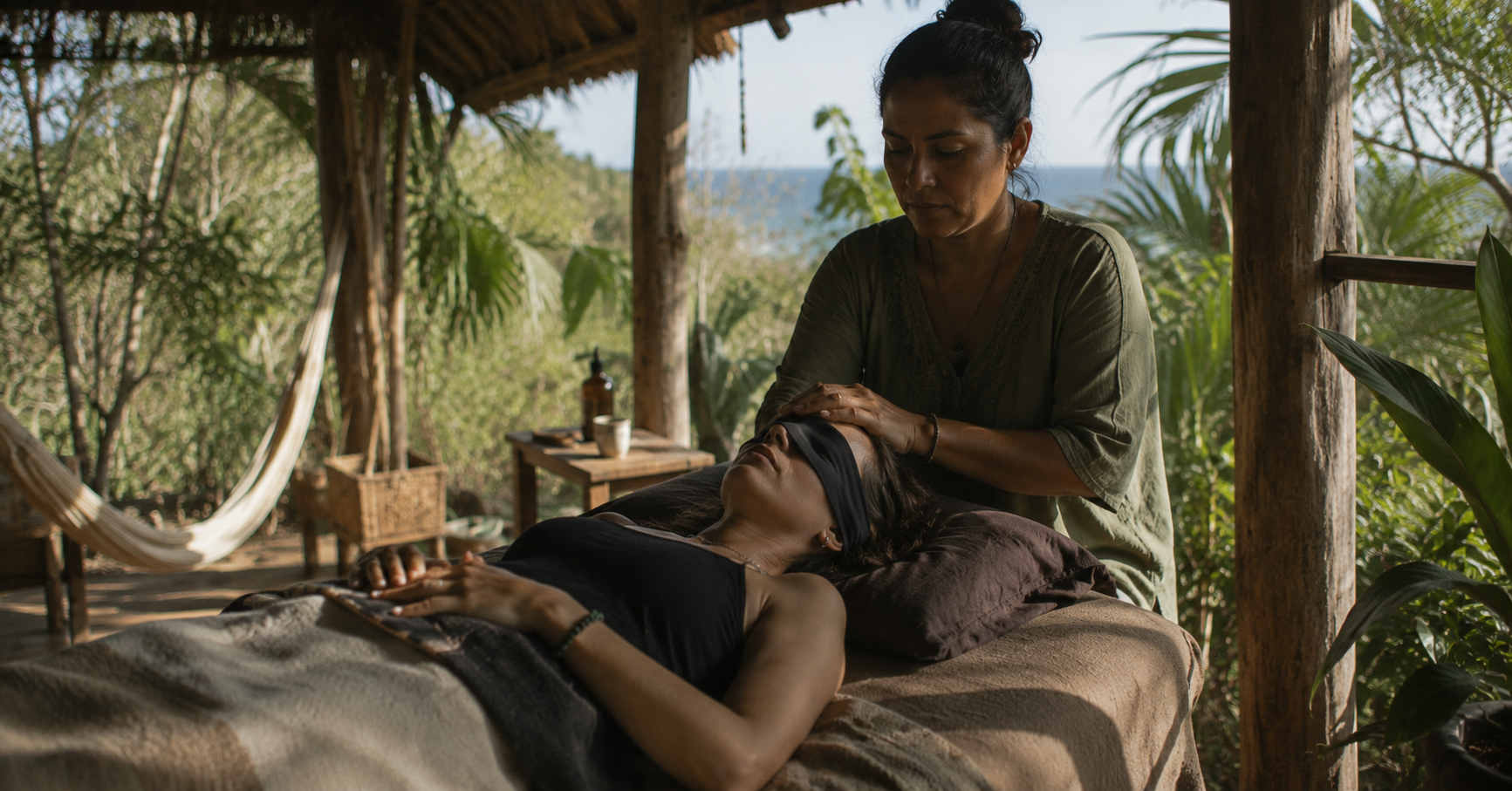
The difference isn’t the drug. Ibogaine and 5-MeO-DMT, the substances most implicated in the Times’ worst stories, are pharmacologically distinct from psilocybin and carry their own cardiac and psychiatric risk profiles that regulated psilocybin programs don’t share. But even setting that aside, the structural difference is the point: a licensed facilitator operating under a state framework, with product testing, screening, and mandatory follow-up, is playing an entirely different game than a self-described “doctor of mystical sciences” running a treatment menu out of a jungle encampment.
Why this matters for where the field goes next
As more states consider psilocybin and psychedelic policy — 28 were weighing it as of mid-2026 — the OPEN and CU/Althea datasets are some of the first real answers to the question regulators actually need answered: not “is psilocybin safe,” but “is this specific regulatory model safe.” So far, the data say yes, with real but well-characterized risks that concentrate in identifiable subgroups and shrink further with continued monitoring.
That’s the case for building more of these programs, not fewer — and for building them well, with the screening, product testing, and longitudinal data collection that turn “trust us” into an actual evidence base. It’s also the case against the current default many Americans face: illegality at home pushing people toward the exact unregulated, unaccountable settings the Times just spent 3,000 words documenting.